
 Dentist Channel Online
Monolithic zirconia for one visit Dental Restorations
The manufacture of indirect, fixed dental prosthetics has undergone a complete transformation over the past 30 years, with the last 5 to 10 years seeing the most significant change. Not long-ago porcelain-fused-to metal (PFM) was the restorative material of choice for achieving an acceptable cosmetic result in anterior and posterior sections alike. CEREC ® (Dentsply Sirona, dentsplysirona.com) became the “disruptor” in 1985. Radical for its time, it used a digital imaging device (intraoral camera with a sensor), computer-aided design, and connected milling unit for same-appointment delivery of an intracoronal restoration milled from a silica based ceramic block that needed adhesive luting to reinforce the material. Using the acronym “Chairside Economical Restoration of Esthetic Ceramics,” this “disruptive” business model challenged traditional materials and fabrication methods. Over the past 34 years, CAD/CAM technology has been continuously validated accompanied by documented long-term outcomes.
Today there are numerous systems available for chairside CAD/CAM. Available materials include polymethyl methacrylate (PMMA) acrylics, composites, glass-ceramics, hybrid ceramics (polymer based), and polycrystalline ceramic (zirconia). Significantly, these wide-ranging choices offer unique opportunities for dentists to select materials specific to the needs of the patient1.
High-strength polycrystalline metal oxide–based CAD/CAM ceramics such as zirconium dioxide (zirconia) are characterized by excellent mechanical properties, which are significantly greater than those of silica-based ceramics. Flexural strength values of conventional yttria-stabilized tetragonal zirconia polycrystal ranges between 1000 and 1500 MPa. Their inherent strength allows for conventional cementation of adequately dimensioned full-coverage restorations. The first generations of zirconia had only limited translucency and were, therefore, used for copings and frameworks that had to be veneered with a feldspathic veneering porcelain. Success rates were similar to porcelain-fused-to-metal restorations. However, recent trends favour monolithic ceramic restorations. The latest zirconia generations offer significantly greater light transmission. Pre-shaded multilayer high-translucent zirconia materials in particular offer more esthetic treatment options and can even be applied for anterior teeth. The higher translucency is achieved by slight changes of the Y2O3 content (5mol% or more instead of 3 mol%), resulting in a higher number of cubic-phase particles. More cubic zirconia offers significantly higher light transmission but lower flexural strength values than conventional zirconia, between 550 and 800 MPa. High-translucent zirconia blocks that are available in the market for chairside CAD/CAM systems are CEREC Zirconia (Dentsply Sirona), IPS e.max ZirCAD (Ivoclar Vivadent), Katana Zirconia Block (Kuraray Noritake Dental, Inc), VITA YZ (VITA Zahnfabrik), Lava Zirconia Block (3M ESPE).
These Zirconia restorations are milled from presintered blocks with slightly enlarged dimensions, compensating for the 20% to 25% material shrinkage during the final sinter step after milling. With a special chairside furnace (e.g., CEREC Speedfire, Dentsply Sirona) and speed sintering program, the sintering of a single crown can be accomplished within 19 minutes (after dry milling) to 30 minutes (after wet milling).
In general, these restorations are typically considered cementable because of their high inherent flexural strength, which exceeds natural chewing forces. Therefore, zirconia-based crowns and bridges with adequate retention and ceramic material thickness can be cemented conventionally. Resin-modified glass-ionomer or self-adhesive resin cements are preferred and provide at least a certain level of adhesion to both teeth and ceramic without additional time-consuming and technique-sensitive bonding and priming steps. However, zirconia restorations that are less strong, thin, lack retention, or rely on resin bonding, such as resin-bonded fixed prostheses or bonded laminate veneers, require resin bonding with composite resin luting agents.
To achieve the high and long-term durable resin bond strengths to zirconia in a practical manner, a 3-step approach is recommended.
The authors have termed it the APC-zirconia–bonding concept:
Air-particle abrade the bonding surface with aluminium oxide (A)
Apply special zirconia primer (P)
Use dual-cure or self-cure composite resin cement (C)
After restoration cleaning, zirconia restorations should be air-particle abraded with alumina or silica-coated alumina particles. Small particles (50-60 microns) at a low pressure (<200 kPa (2 bar)) are sufficient. The subsequent step includes application of a special ceramic primer (e.g., Clearfil Ceramic Primer Plus, Kuraray Noritake), which contains special adhesive phosphate monomers. The monomer MDP (10- methacryloyloxydecyl dihydrogen phosphate) has been shown to be particularly effective to bond to metal oxides. Dual-cure or self-cure composite resins should be used to ensure adequate polymerization/conversion (e.g., Panavia V5, Kuraray Noritake). Long-term success rates of certain resin-bonded zirconia restorations are excellent2.
Newly introduced ultra-translucent and multicolour monolithic zirconia ceramics present considerably improved aesthetics and translucency. Compared to other ceramic materials, monolithic zirconia causes minimal wear of antagonists, if appropriately polished. Concerning zirconia restorations survival, short-term studies reveal promising results, especially for tooth and implant supported monolithic zirconia restorations3.
References
CAD/CAM’s Influence on Indirect Restorations: The “Tipping Point” Has Been Reached. Daniel J. Poticny, DDS Compendium Nov/Dec 2019, Vol.40, Issue 10.
The Current State of Chairside Digital Dentistry and Materials. Markus B. Blatz, DMD, PhD, Julian Conejo, DDS, MSc Dent Clin N Am 63 (2019) 175–197.
Monolithic Zirconia: An Update to Current Knowledge. Optical Properties, Wear, and Clinical Performance. Eleana Kontonasaki, Athanasios E. Rigos, Charithea Ilia and Thomas Istantsos. Dent. J. 2019, 7, 90.

About the author: –
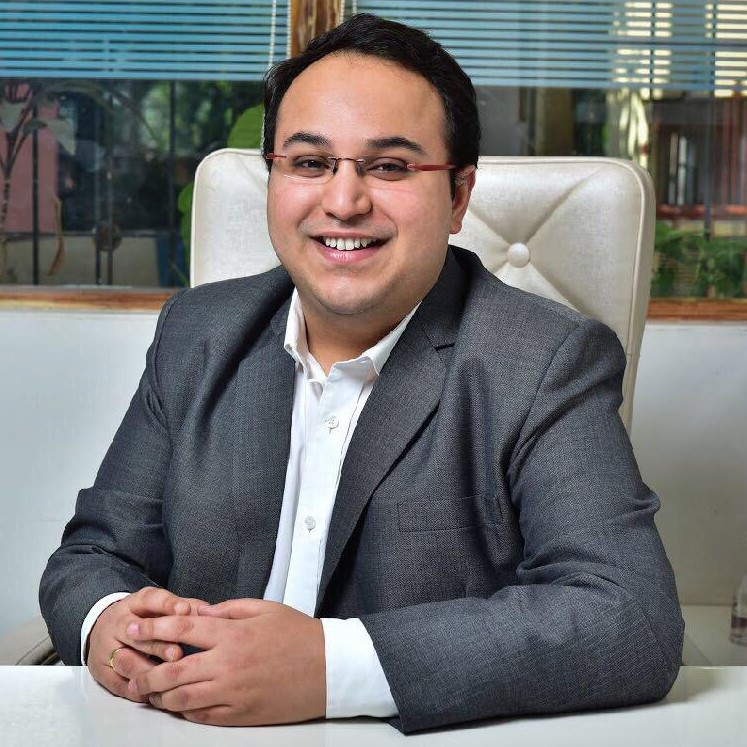
Dr Makarand Deshpande- BDS, MDS (Prosthodontics).
Post Graduate Certification (Diploma) in Oral Implantology from Chanavaz International Institute of Oral & Maxillofacial Implantology (France), under Prof. Manuel Chanavaz.
Intensive training in Full Mouth Rehabilitation and Occlusion with Dr Mauro Fradeani, Fradeani Education Institute, Pesaro (Italy) & Dr John Cranham, Dawson Academy (USA).
Advanced training for CEREC-Dentsply Sirona, Bensheim (Germany).
Certifications
edelweiss dentistry- direct composite veneer system by Dr Stefan Lampl,
Digital Smile Design by Dr Christian Coachman,
Implant Prosthodontics by Dr Graham Charmichael.
Get in touch with Dr Makarand Deshpande on [email protected] Contact Number: 91-9167669989






Hailey - 9 months ago