
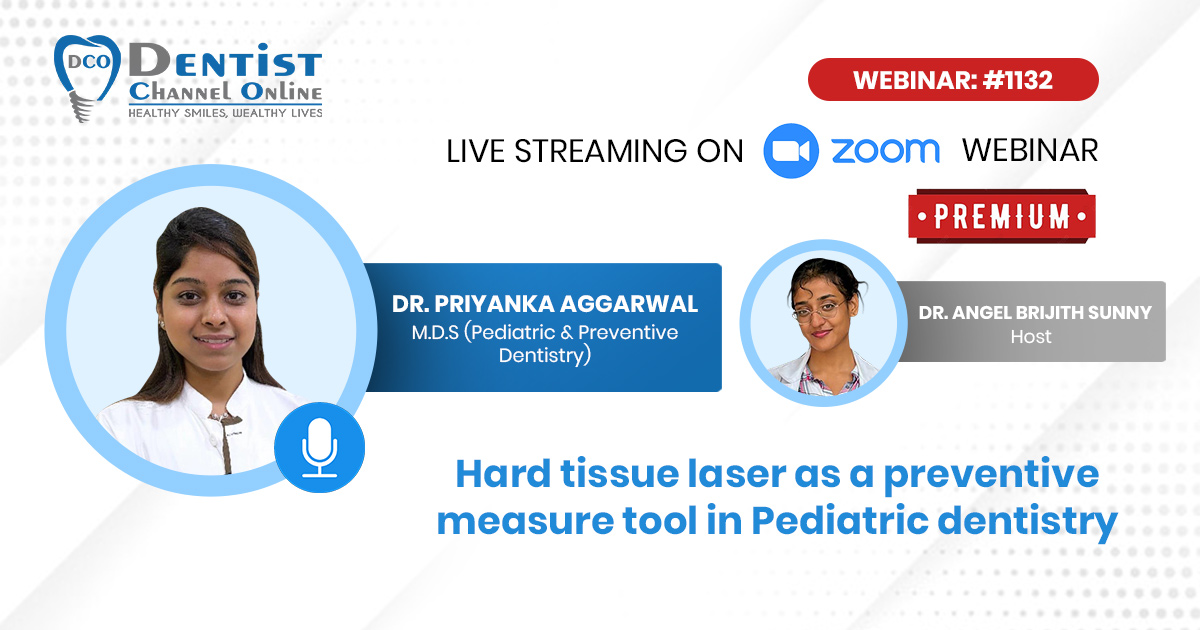
Certificate of participation with 1 CME is available
According to Sturdevant, “Dental caries is an infectious microbiologic disease of the teeth that results in localized dissolution and destruction of calcified tissues.”
Dental caries persists as the most prevalent chronic disease in both children and adults even when it is largely preventable. The rate of pit and fissure caries is almost 80%–90% and 44% in permanent posterior and primary teeth, respectively. Pit and fissure caries are eight times as vulnerable as smooth surfaces for dental caries. Many years of research resulted in the advocation of prophylactic odontotomy and fissure eradication by Bodecker in 1929, which involved the mechanical eradication of fissures into cleanable ones. Later, in 1955, Buonocore suggested the filling of pit and fissures with bonded resin-based sealants. However, studies have demonstrated that complete or partial sealant loss is common, which can lead to secondary caries. Therefore, the need for new strategies and preventive measures for caries on occlusal surfaces is observed and evaluated.
Well articulated by John Knowles – ”Everything has to evolve or else it perishes.
With the paradigm shift of emphasis toward the prevention of dental caries, several techniques have been introduced which have effectively reduced dental caries. It has been proven that laser irradiation protects against both caries initiation and caries progression.
It has been demonstrated that LASER can alter the permeability and the crystalline structure significantly, promoting resistance to demineralization. The phenomenon responsible for this effect is related to the chemical and physical changes in the hydroxyapatite crystals induced by LASER.
The purpose is to achieve a self-cleansing occlusal surface eradicating the need of sealing the pits and fissures and indeed decreasing the incidence of caries.
Highlights
Date: 28/03/2026| 08:00 PM IST








Wefred - 5 months ago