
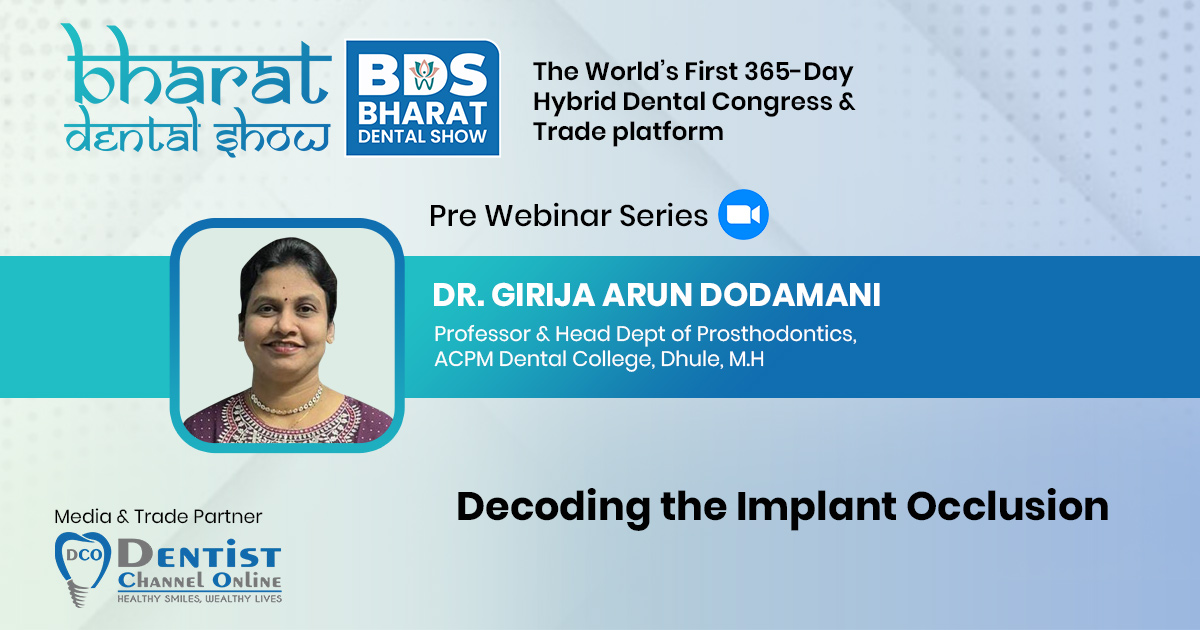
Implant occlusion has emerged as one of the most critical determinants of long-term implant success, transcending the traditional concept of mere osseointegration. Unlike natural teeth, dental implants lack a periodontal ligament and its inherent shock-absorbing and proprioceptive mechanisms, rendering the implant–bone complex particularly susceptible to occlusal overload. Consequently, the establishment of a carefully balanced occlusal scheme is essential to ensure biomechanical harmony and preserve peri-implant tissues. Contemporary implant dentistry advocates a patient-specific approach to occlusion that integrates biological principles with prosthetic and functional considerations. Variables such as implant distribution, prosthesis design, cusp morphology, cantilever dimensions, crown-to-implant ratio, parafunctional habits, and opposing dentition collectively influence stress transmission and restorative longevity. Recent advances in digital occlusal analysis and biomechanical modelling have further refined our understanding of force dynamics, challenging conventional dogmas and fostering evidence-based occlusal philosophies. Although a universally accepted implant occlusion concept remains elusive, the overarching objective continues to be the optimization of force distribution while safeguarding peri-implant bone and prosthetic components. This lecture aims to provide a contemporary overview of implant occlusion, tracing its evolution from traditional implant-protected concepts to modern, individualized occlusal strategies that support predictable functional and esthetic outcomes in implant rehabilitation.
Date: 15/07/2026| 07:30 PM IST





Matis - 1 month ago