Certificate of participation with 1 CME is available
Sleep medicine is an extremely useful and important field for dentists, forming a key part of modern dental practice known as Dental Sleep Medicine (DSM). Dentists play a crucial and integral role within an interdisciplinary healthcare team in managing sleep-related breathing disorders (SRBDs).
We,(as dentists)play an important role as primary care physicians in diagnosing SRBDs like snoring and OSA.depending on the severing of conditions we can manage it.
Incase of mild to moderate OSAs we can fabricate and deliver the MADs and TRDS as a treatment option
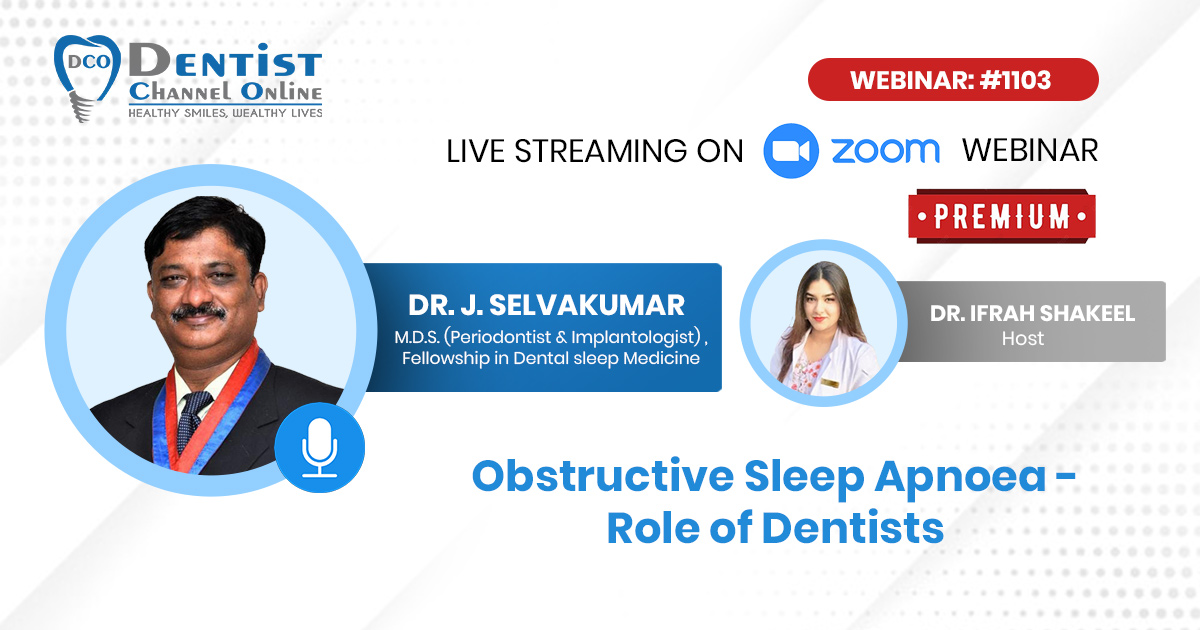
I will be talking on diagnosis of OSA and snoring.,
Dentists often conduct routine check-ups more frequently than physicians and are in a unique position to notice oral and craniofacial signs and symptoms of sleep disorders, such as a high Mallampati score (indicating potential airway obstruction), worn teeth from bruxism (teeth grinding), or an enlarged tongue/tonsils.
Screening and Referral: Dentists can perform preliminary screenings using patient history and questionnaires (e.g., STOP-BANG questionnaire) to identify individuals at risk for conditions like obstructive sleep apnea (OSA). They then refer these patients to a sleep physician for a definitive diagnosis, typically via a sleep study (polysomnography).
Providing Oral Appliance Therapy (OAT): For patients diagnosed with mild to moderate OSA, or those who cannot tolerate the gold-standard continuous positive airway pressure (CPAP) machine, custom-made oral appliances are a primary treatment option. Dentists specialized in sleep medicine fabricate, fit, and adjust these devices, such as mandibular advancement devices (MADs) or tongue-retaining devices (TRDs), to keep the airway open during sleep.
Managing Related Conditions: Dental sleep medicine also addresses the dental consequences and comorbidities of other sleep disorders, including sleep bruxism (SB), orofacial pain, xerostomia (dry mouth), and gastroesophageal reflux disease (GERD).
Interdisciplinary Collaboration: Effective management of SRBDs requires close collaboration between dentists, sleep physicians, ENT specialists, and sometimes orthodontists or oral and maxillofacial surgeons. Dentists are a vital part of this network, ensuring comprehensive and integrated patient care.
Improving Overall Health and Quality of Life: By addressing sleep disorders, dentists help mitigate significant health risks associated with untreated OSA, such as high blood pressure, cardiovascular diseases, stroke, and chronic fatigue. This work goes beyond oral health, significantly enhancing a patient's general well-being and potentially extending their lifespan.
In essence, dental sleep medicine allows dentists to expand their scope of practice, positively impact their patients' systemic health, and become essential contributors to the broader field of sleep medicine.
Date: 12/12/2025| 08:00 PM IST